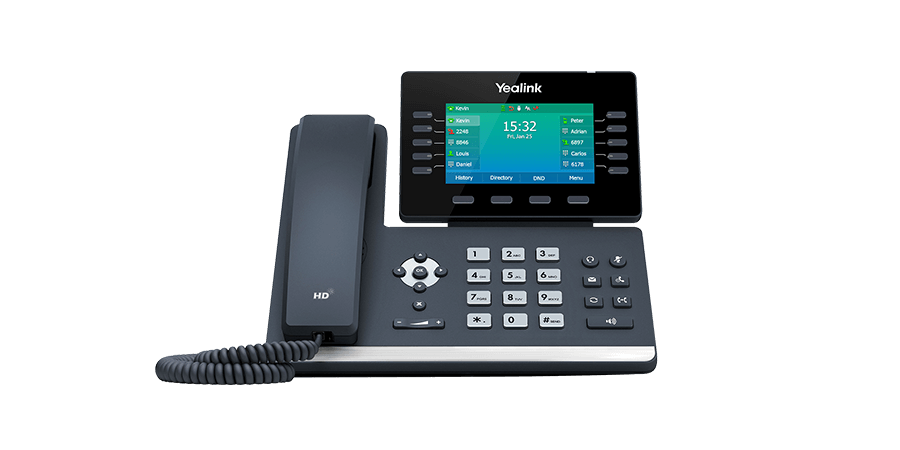
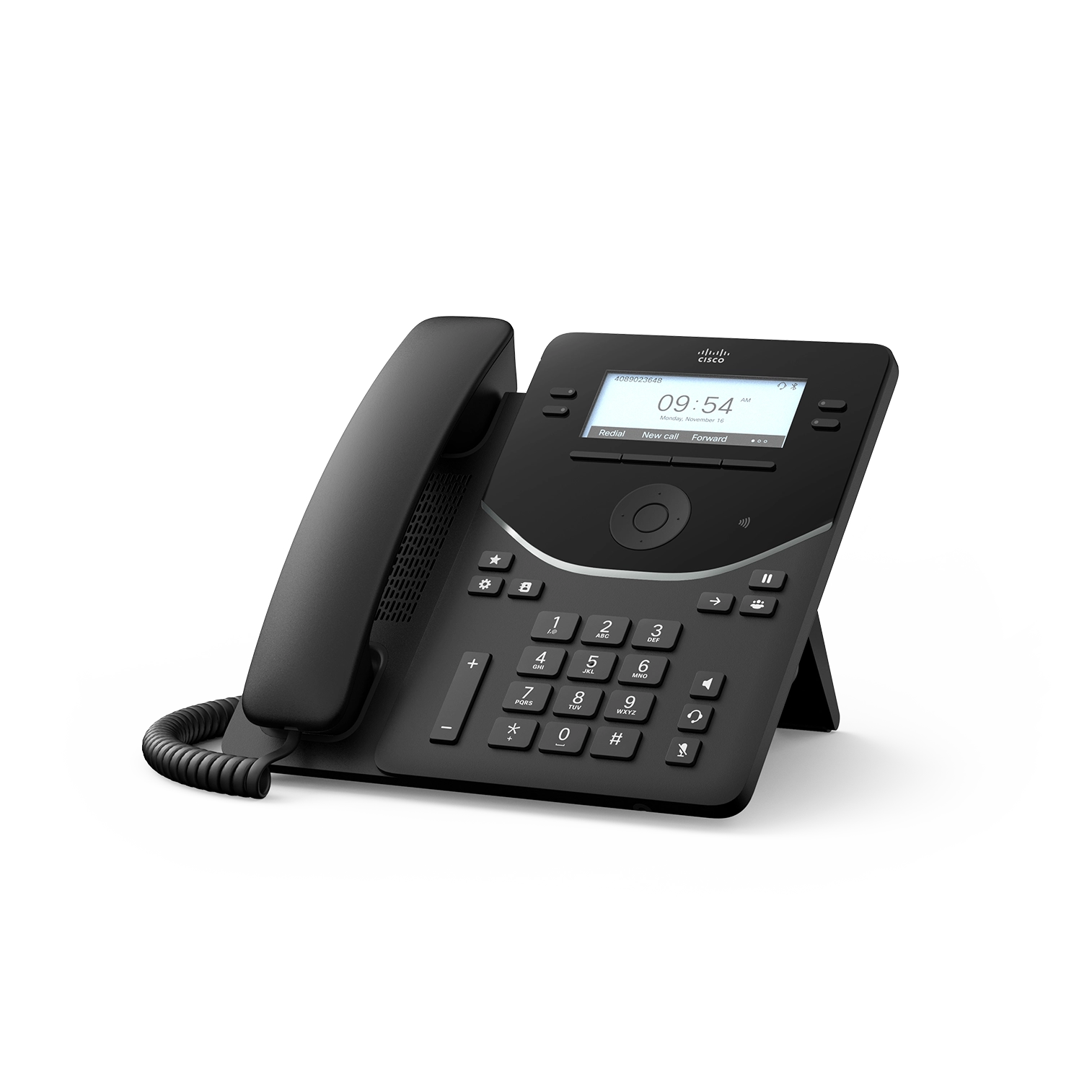
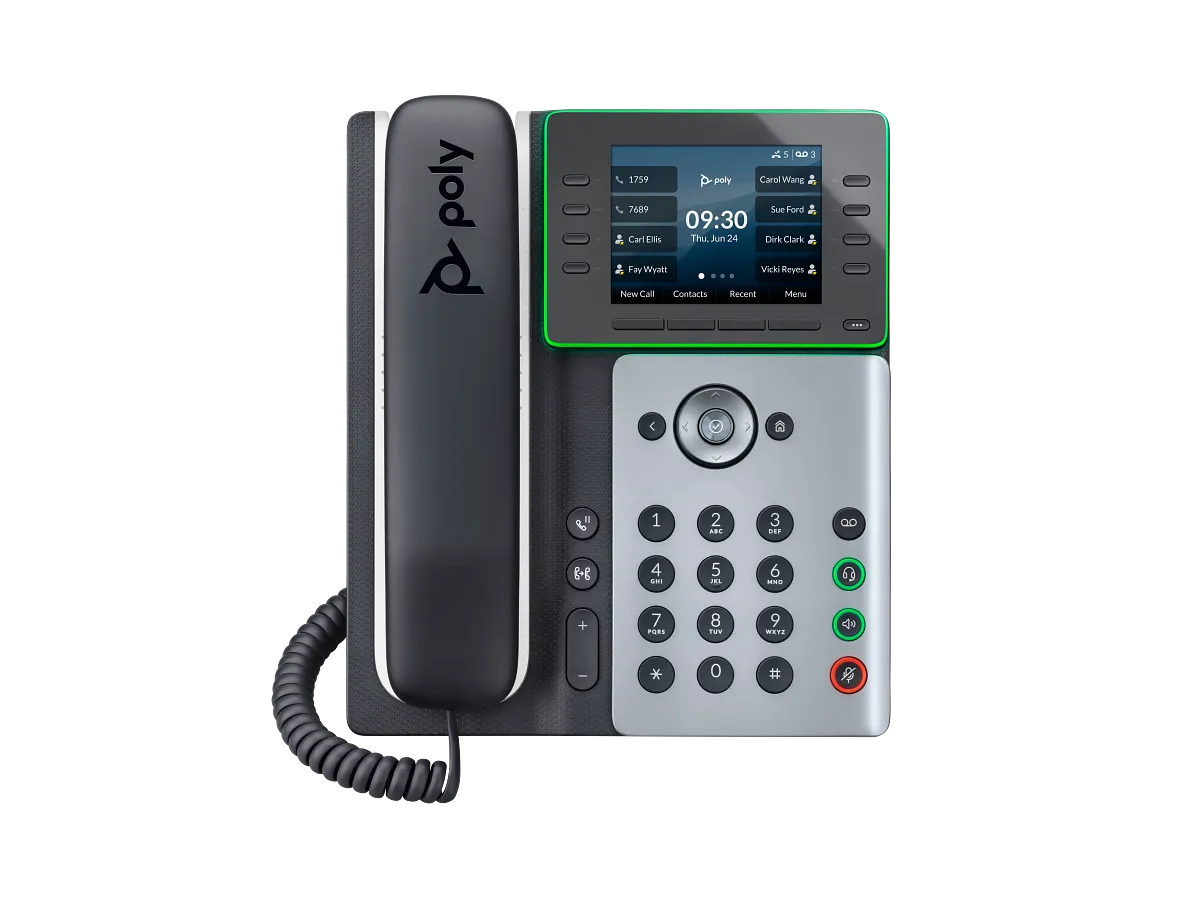
Buy for the person using the phone
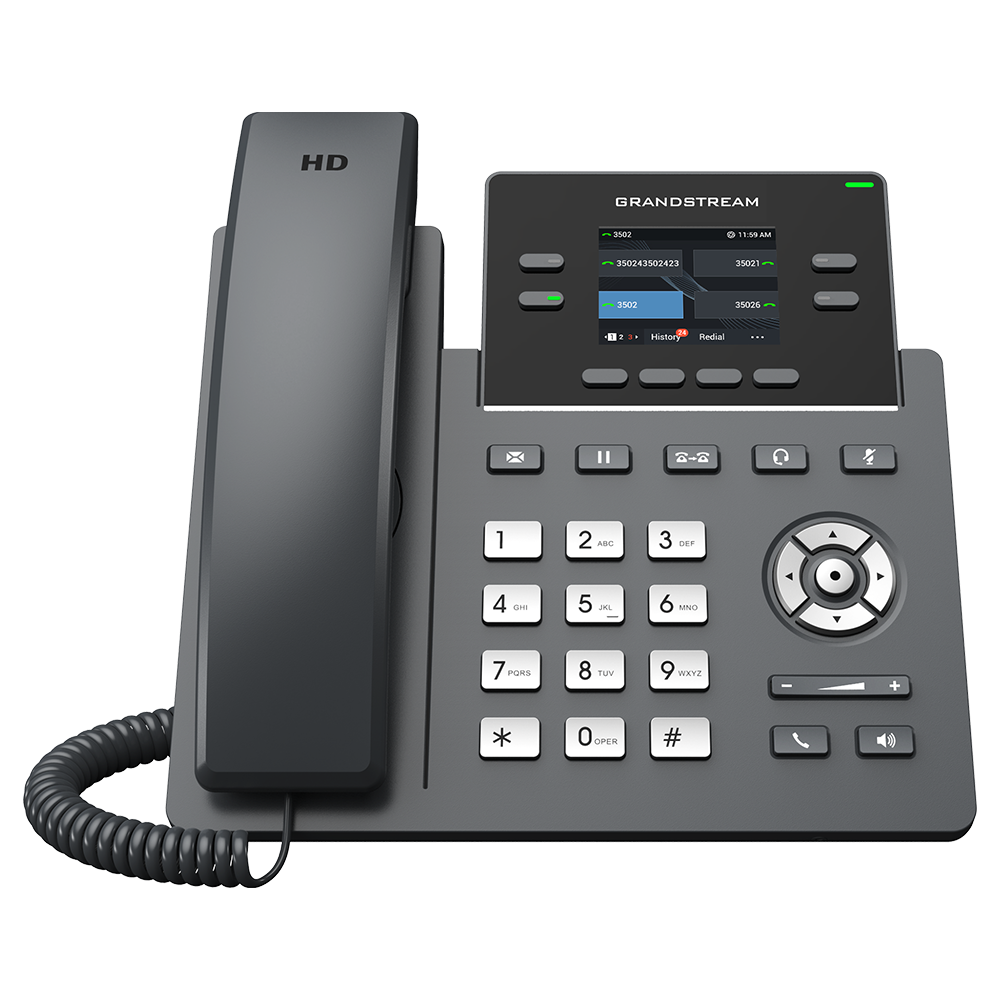
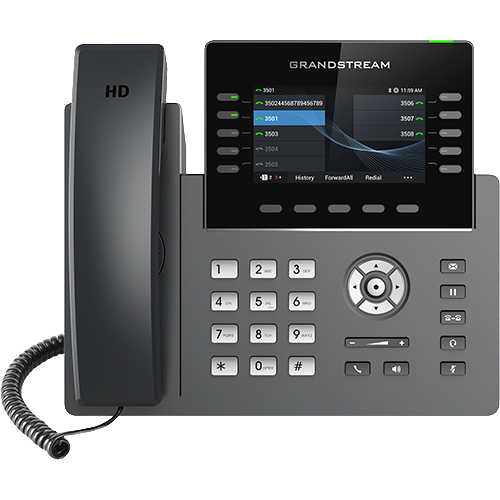
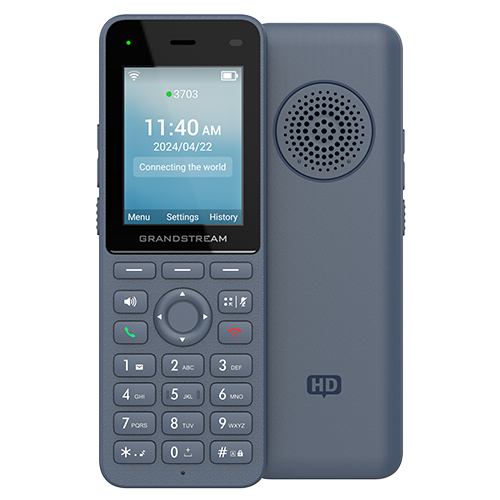
A receptionist may need a headset and reliable attended transfers. A common-area phone may need a simple keypad and restricted permissions. A mobile worker may need cordless coverage and predictable charging. These requirements matter more than a generic ranking of feature counts.
Verify the exact model
Check the SKU, firmware track, power method and provisioning compatibility. Built-in Wi-Fi differs from support through an optional adapter. A family name does not establish how many keys, accounts or network ports a particular model has.
For used hardware, verify administrative access and release from any prior provisioning service. A factory reset does not by itself prove that a device is free of an external enrollment relationship.
Test before bulk deployment
Pilot the exact phone with the intended PBX or provider. Confirm incoming and outgoing calls, sound, hold, transfer, voicemail indication, headset behavior and recovery after restart. Record firmware and configuration versions with the result.
Use the IP phone introduction to understand the endpoint's role, then match purchasing decisions to business requirements. Model-specific specifications should be tied to manufacturer evidence, with lifecycle uncertainty made explicit.
Sources & applicability
Primary references for the technical details above. Operational examples and planning checklists are VoIP.info editorial guidance.