Power and data share the cable
Power over Ethernet supplies electrical power through compatible network equipment and cabling. A phone must support the relevant method, and the switch or injector must provide suitable power. An ordinary Ethernet port is not necessarily a power source.
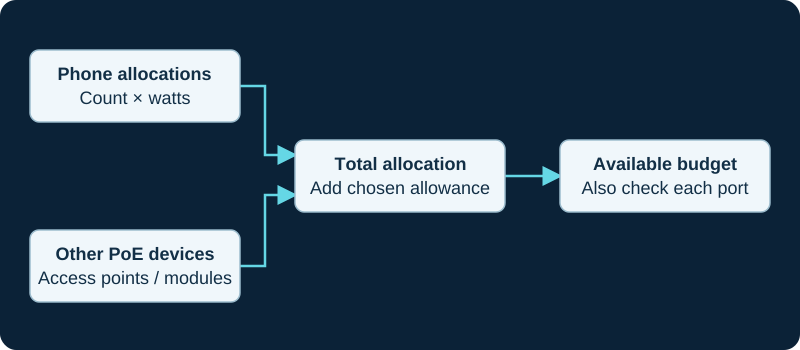
Example allocation model. Use exact equipment ratings; a switch-wide budget does not override a port power limit.
Two limits to check
First confirm per-port compatibility and allocation. Then compare all powered devices with the switch's available total budget. A switch can have enough ports but insufficient total output for phones plus access points and cameras.
Accessories can increase a phone's requirement. Use official device and switch specifications for the intended configuration, not only an idle power measurement.
Plan continuity
A UPS protecting the PoE switch can keep phones powered during a local outage, but the router, access device and any PBX also need a working power path. The switch's own consumption must be included in UPS sizing.
Validate the installed group
Use the PoE budget calculator to make allocation assumptions visible. Then inspect switch power status with all intended devices connected and test a controlled restart. Record reduced budgets associated with power-supply or redundancy modes.
Watch the explanation
Follow the stand, network cable and handset assembly before the phone retrieves its service settings. The narration starts with a phone already prepared by Accelerate Networks, making this a useful orientation for a new desk user receiving a managed handset.
Read applicability and editorial notes →Watch this video here
GRP2615 hardware with Accelerate Networks provisioning. The account and park-key configuration are supplied by the service; a retail phone needs additional setup. Review used the available transcript and primary references; audio and screen readability remain unverified.

The player loads only when you choose Watch here. Playback uses YouTube’s privacy-enhanced embed; YouTube processes playback data.
Start with the physical connections and continue through the operations a new GRP2624 user will need: answering, holding, transferring, conferencing and checking messages. The guide connects the phone’s softkeys to the provider’s shared voicemail and parking setup. Its wiring explanation is also a useful companion when a desk shares one network cable between a computer and phone.
Read applicability and editorial notes →Watch this video here
Lightspeed Voice’s GRP2624 configuration. Hardware revisions and later firmware can change capacity or available menus. Review used the available transcript and primary references; audio and screen readability remain unverified.

The player loads only when you choose Watch here. Playback uses YouTube’s privacy-enhanced embed; YouTube processes playback data.
Sources & applicability
Primary references for the technical details above. Operational examples and planning checklists are VoIP.info editorial guidance.