Quality policy needs a location
QoS classifies and handles traffic differently when resources contend. Its value depends on the equipment and link where the policy operates. Marking packets at a phone does not force an unrelated internet provider to preserve the same treatment.
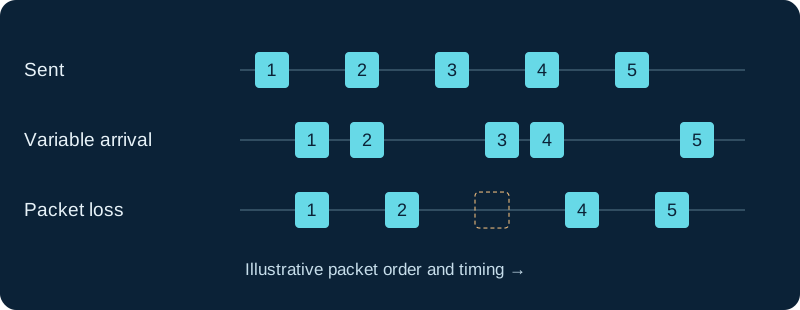
Illustration, not measured data. A jitter buffer trades playback delay against late-packet loss; it cannot recreate every missing packet.
Separate media and signaling
Real-time audio and call-control messages have different traffic patterns. Build classes appropriate to your network design and use the vendor's supported queueing guidance. Do not place all traffic from a workstation into the voice class merely because it also runs a softphone.
Set a trust boundary
Decide which devices may supply markings and where untrusted markings are rewritten. Otherwise a device can label bulk traffic as high priority and undermine the intended policy. Check counters to confirm that actual phone traffic reaches the intended class.
Test under contention
Compare calls with and without a controlled competing workload at the bottleneck. Observe delay, loss and the effect on other essential traffic. QoS cannot create capacity that the link lacks, so combine policy with realistic bandwidth planning and queue management.
Sources & applicability
Primary references for the technical details above. Operational examples and planning checklists are VoIP.info editorial guidance.