Inventory before submitting
List every number, current service owner, account details and associated services. Identify numbers used by fax, alarms or other special devices and investigate their supported migration separately. A main number may be bundled with services that need to remain active.
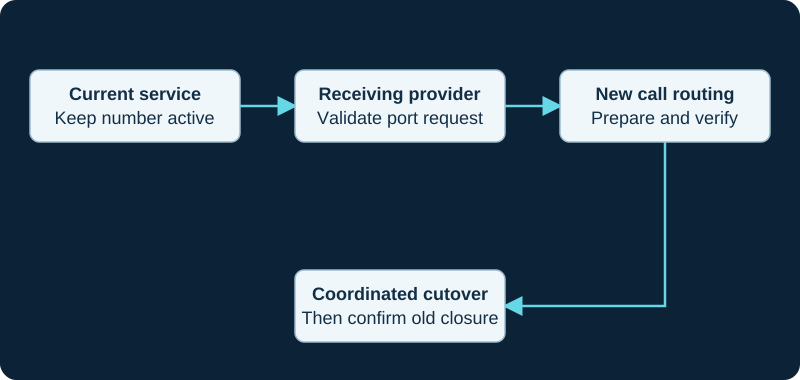
Timing and eligibility depend on carrier and jurisdiction. This is a coordination sequence, not a guaranteed porting schedule.
Coordinate with the gaining provider
Obtain its current requirements, authorization process and confirmed schedule. Do not infer a guaranteed completion date from a generic online estimate. Keep the existing service active until the transfer process and dependencies are understood.
Prepare the destination first
Build and test the new call handling with a temporary or noncritical number. Verify staff devices, opening hours, voicemail and fallback before the published number moves. Confirm emergency-service setup directly with the provider through its approved procedure.
Verify the cutover
Test incoming calls from independent networks, outgoing identity and required special workflows. Keep escalation contacts and account evidence available. Record partial failures and avoid cancelling remaining services until the provider confirms what has transferred and what still depends on the old account.
Jurisdiction and carrier scope
The CRTC reference is Canadian guidance. Portability eligibility, authorization and timing must be confirmed with the receiving carrier for the number and jurisdiction involved. Do not cancel the existing service before coordinating the transfer.
Sources & applicability
Primary references for the technical details above. Operational examples and planning checklists are VoIP.info editorial guidance.