The carrier connection
A SIP trunk connects a PBX to a provider's calling network using SIP signaling and associated media. It is useful when your organization operates its own call routing but needs public telephone numbers and outside calls. It is not a physical cable, and it is not automatically a hosted PBX account for each employee.
Separate the carrier relationship into numbers, permitted destinations, simultaneous capacity and charging. A DID is a number delivered to your PBX. A concurrent-call allowance is a capacity limit. A metered tariff describes billing. These can be purchased and constrained independently.
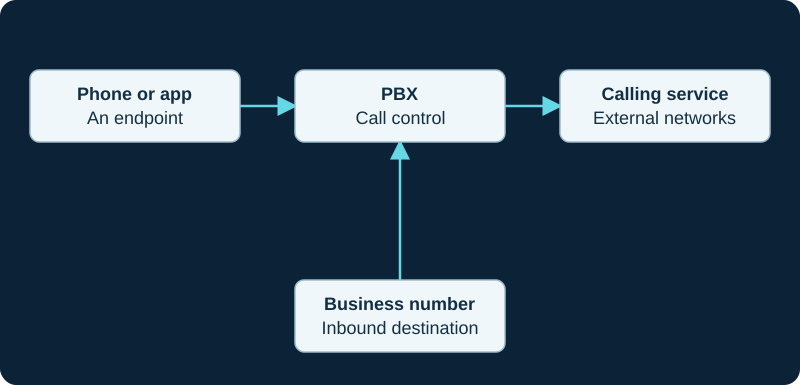
A simplified logical view. A hosted service may combine PBX and carrier functions; actual signaling and media paths can differ.
Authentication and incoming delivery
Some providers authenticate outbound requests using account credentials and registration. Others identify an approved source IP address, and some combine controls. An outbound registration does not automatically define how your PBX should identify incoming calls or where those calls should route.
Obtain the provider's current configuration guide for your PBX version. Confirm signaling hosts, media networks, transport, codec requirements, number formatting and caller-identity policy. Never assume every provider uses the same ports or authentication object layout.
An acceptance test worth keeping
Use a noncritical number first. Test inbound and outbound calls, a withheld caller ID, voicemail, hold, transfer and DTMF to an external menu. Repeat from the remote-phone topology you intend to support. Record the negotiated media path and whether forwarding uses an additional outbound leg.
Verify failover separately. A second trunk does not help if all calls depend on a failed PBX or an unavailable office internet connection. Incoming number failover may require a carrier-side setting.
Control the financial exposure
Restrict destinations and concurrency to business needs. Set carrier spend notifications or limits where offered. Preserve incident timestamps and call identifiers for support. Before production, confirm emergency-service setup and test procedures directly with the carrier rather than making unscheduled emergency calls.
Sources & applicability
Primary references for the technical details above. Operational examples and planning checklists are VoIP.info editorial guidance.