Define what must return first
A recovery plan should state how quickly the business needs calling restored and how much configuration or stored-content loss is tolerable. Incoming-number diversion may restore basic contact before the complete PBX and recordings return.
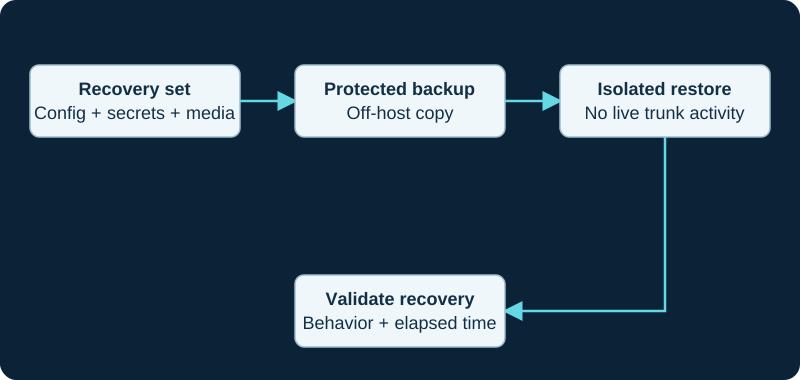
Keep production trunk identities from registering during a restore exercise. Include the dependencies needed to decrypt and use the backup.
Map the dependencies
Include carrier account access, numbers, DNS, network policy, certificates, backups, licensing and administrative credentials. A restored VM cannot receive calls if the carrier still delivers to the old address or DNS points elsewhere.
Exercise an isolated restore
Recover to a separate target without activating production trunks. Verify selected configuration, users and content, and record manual steps. Measure elapsed time rather than guessing from the backup file size.
Test the operational handoff
Confirm who can authorize diversion, contact the carrier and communicate with staff during an outage. Keep those instructions outside the unavailable PBX. After an exercise, update the plan with missing permissions and dependencies. A second server is not a recovery plan until routing and state transitions have been validated.
Sources & applicability
Primary references for the technical details above. Operational examples and planning checklists are VoIP.info editorial guidance.