Three different counts
An extension identifies an internal user, device or service destination. A public telephone number is an address callers dial through the telephone network. Concurrent calls measure activity at the same time. A system can have many extensions sharing one main number, or many numbers routed to one team.
Do not use the word line without qualifying it. A handset line key may select an account or represent a call appearance; a provider's line may mean a paid seat or a simultaneous calling channel. Ask what the supplier is actually counting.
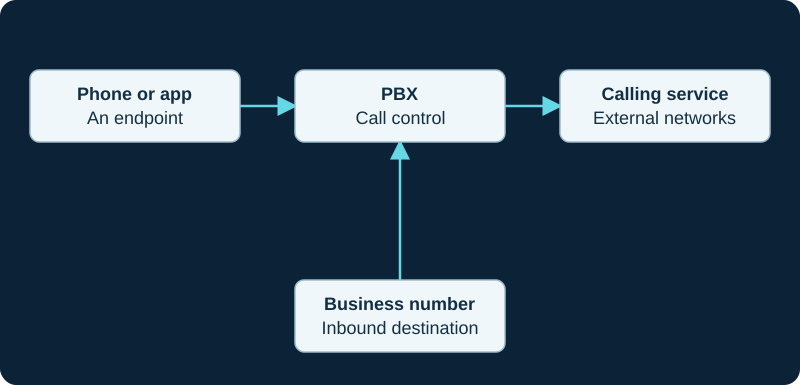
A simplified logical view. A hosted service may combine PBX and carrier functions; actual signaling and media paths can differ.
Example: an office with a shared reception number
Suppose ten staff use individual extensions and customers dial one published number. The number can enter an auto attendant or reception ring group. If several callers arrive at once, the main number does not necessarily force them into a single-call bottleneck; service capacity and routing determine what happens.
The opposite can also occur: multiple published numbers can share a limited trunk allowance. The tenth number does not automatically purchase a tenth simultaneous call. Verify inbound, outbound and combined limits in the carrier agreement.
Count call legs when designing capacity
An external call forwarded to another outside number may create an inbound and outbound carrier leg. A conference can keep several legs active. Internal extension calls may avoid the carrier entirely. Capacity planning should follow the actual path rather than multiplying handset count by a generic factor.
Collect busy-hour usage and rejection evidence after launch. An average over a quiet month can conceal a short peak that causes lost calls.
Keep a numbering register
Record each public number, its carrier, destination, published purpose and migration owner. Record extensions separately, with user and permission assignments. When someone leaves, update routing, voicemail access and device credentials; removing a displayed name alone is insufficient.
Sources & applicability
Primary references for the technical details above. Operational examples and planning checklists are VoIP.info editorial guidance.