A waiting workflow needs an operating owner
A queue holds callers and distributes calls to eligible agents under configured rules. It is useful when demand briefly exceeds immediate answering capacity. It cannot supply staffing that does not exist.
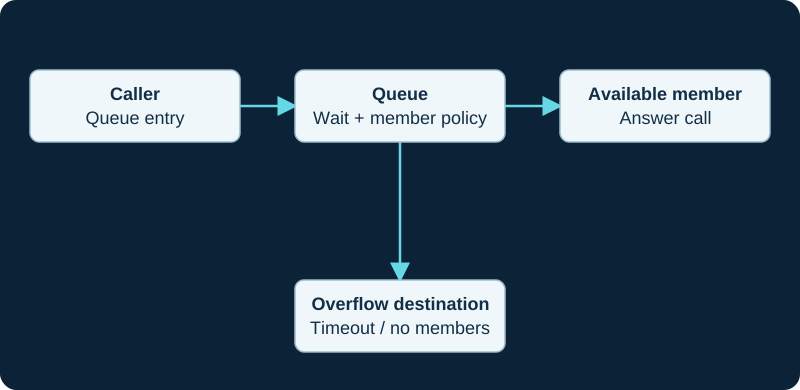
Member availability, caller waiting policy and overflow routing are separate decisions. Check the experience when no members are available.
Define eligibility and exits
Decide how agents join, pause and leave, and how busy or unavailable devices are treated. Set an understandable maximum wait or overflow path and make voicemail ownership explicit. Avoid keeping callers waiting while no one is eligible to answer.
Test more than one incoming call
Exercise multiple callers, agent login changes, a busy agent and an empty queue. Verify announcements and the final exit destination. Transfers and forwarded calls can consume additional carrier legs, so capacity planning should follow the real path.
Review actual outcomes
Measure waiting, abandoned and answered calls using documented report definitions. Do not equate a queue entry with a completed customer conversation. Revisit staffing and overflow after busy periods, and keep opening-hours routing aligned with the queue's operating schedule.
Applying the reference
The Sangoma reference explains PBX feature concepts; some screenshots and interface instructions describe older releases. This planning guide does not rely on those screenshots as a FreePBX 17 setup procedure. Confirm the installed module and current provider feature behavior before rollout.
Sources & applicability
Primary references for the technical details above. Operational examples and planning checklists are VoIP.info editorial guidance.