Backups can contain the keys to the system
Configuration backups can include endpoint and carrier secrets, user information and network settings. Depending on scope, voicemail or recordings may also be present. A backup repository therefore needs access protection comparable to the production data it can restore.
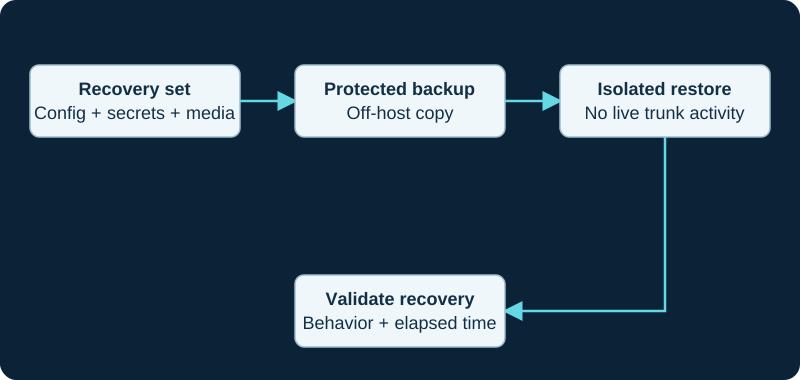
Keep production trunk identities from registering during a restore exercise. Include the dependencies needed to decrypt and use the backup.
Separate storage and authority
Keep a recovery copy away from the PBX host and limit who can read or delete it. Protect encryption keys and storage credentials, while ensuring authorized recovery operators can obtain them during an outage.
Inspect job scope
Compare installed modules and custom files with the backup selection. Verify completion logs and that the artifact reached its destination. A scheduled job definition is not evidence that usable backups exist.
Restore without creating a second production PBX
Use an isolated target so copied trunk credentials cannot register or place calls unexpectedly. Validate routes, selected content and manual recovery steps. Record missing items and restore duration. Use the FreePBX recovery guide for its module-aware process.
Sources & applicability
Primary references for the technical details above. Operational examples and planning checklists are VoIP.info editorial guidance.