Find the constraint before buying capacity
Growth can stress trunk channels, WAN bandwidth, PBX processing, call queues or support staff. Measure which limit is reached. A busy signal caused by a routing error is not evidence that the business needs more channel licenses.
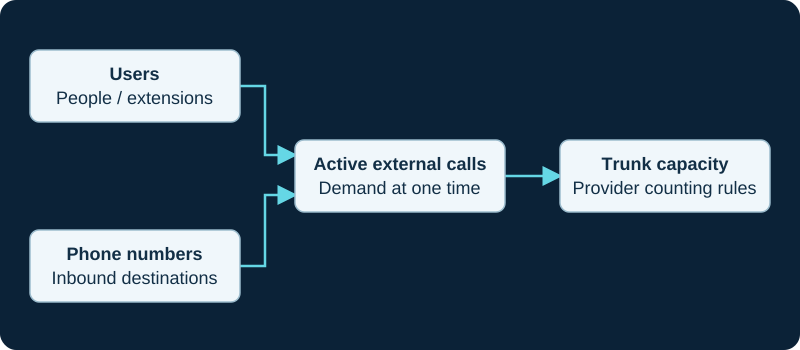
A simple staff × usage scenario is not an Erlang blocking model. Transfers and forwarding may use additional external legs.
Establish a baseline
Record busy-hour simultaneous calls, call failure reasons, queue wait behavior and system utilization. Include normal peaks such as campaigns or seasonal demand. Keep measurement definitions stable so a transferred call is not counted differently between reports.
Model the proposed change
Estimate new external call demand and the resulting bandwidth. Account for recording, conferencing and transcoding workloads where they apply. Include device provisioning, training, replacement stock and administration in the cost model.
Expand in a controlled group
Add a representative team first and compare its actual behavior with the estimate. Watch queue abandonment and support incidents as well as server load. Define an action threshold and a rollback or overflow option before the next group moves. Review the design when workflows change, not only when the employee count crosses a round number.
Sources & applicability
Primary references for the technical details above. Operational examples and planning checklists are VoIP.info editorial guidance.