Map what should be shared
List directories, extension dialing, queues, business hours and caller identity across sites. Then identify what must remain local, including reception coverage, emergency-location handling and fallback destinations. Shared software does not imply identical requirements everywhere.
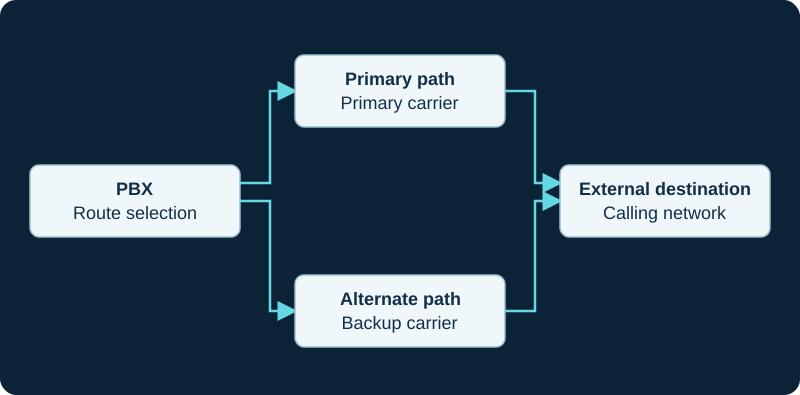
New-call recovery and active-call survival are different tests. Inbound number failover needs a provider-side routing plan.
Draw the traffic paths
Record whether intersite media travels directly, through a central PBX or through a hosted platform. Identify dependencies on VPNs, internet links, DNS and power. A central PBX outage and one branch's access-link outage are different scenarios.
Prevent numbering ambiguity
Use a consistent extension plan and document destination formats at site boundaries. Avoid overlapping private subnets when sites need routed connectivity. Confirm how users distinguish a colleague's extension from an external number and how transfers between sites appear to callers.
Test isolated failures
Validate what happens when one site disconnects, a queue loses its local members and the central platform becomes unavailable. Test new calls and established calls separately. Assign owners for each network and calling-service boundary. Keep the failover plan and business-hours routing with the site inventory, then repeat acceptance after a new office is added.
Sources & applicability
Primary references for the technical details above. Operational examples and planning checklists are VoIP.info editorial guidance.