Files and running state can differ
A saved configuration is an input to the engine, not proof of the current runtime state. Parsing errors, object references and settings with special reload behavior can leave the running system different from the intended edit.
Before changing anything, save the known-good files and record the relevant loaded settings. On a managed platform such as FreePBX, identify which application owns the files. An external generator may overwrite direct edits at its next apply operation.
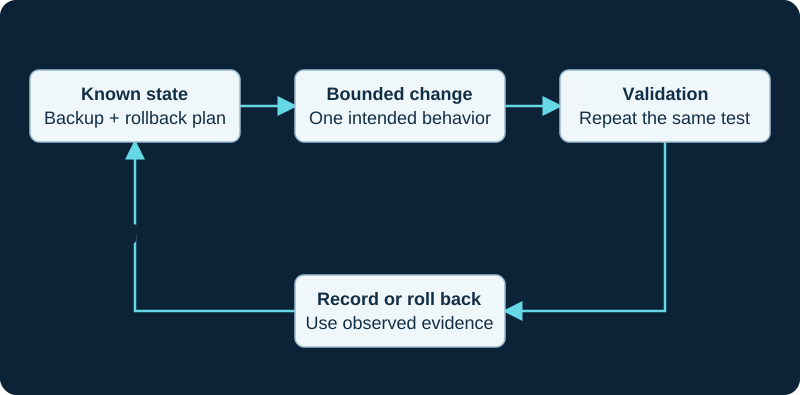
An example operational loop. Follow the supported reload or restart behavior for the affected component.
Define the change boundary
State which behavior should change and which calls could be affected. A dialplan adjustment, transport change and software upgrade have different risks. Consult the exact module's configuration reference for reload support. Some transport work requires restart planning rather than a routine reload.
Use a change window when the operation can interrupt service. Confirm active calls and notify the operational owner through the organization's normal process. Do not use a restart to conceal an unexplained state mismatch.
Confirm the result
Inspect logs for rejected settings and compare the loaded object with the intended configuration. Repeat the specific call flow the change was meant to fix, then test a neighboring unaffected flow. Keep observations separate from assumptions.
If the expected state did not load, restore the known-good input and use the supported apply procedure. Record the failure rather than stacking additional changes on an uncertain baseline.
Keep a useful rollback record
Store the reason, files or interface settings changed, version applicability, expected effect and reversal steps. Include external dependencies such as firewall or carrier changes: rolling back only the PBX may not restore the earlier topology. Review the record after successful validation.
Sources & applicability
Primary references for the technical details above. Operational examples and planning checklists are VoIP.info editorial guidance.
- Asterisk: PJSIP object relationships ↗
- Asterisk: PJSIP troubleshooting ↗
- Asterisk: PJSIP through NAT ↗
Examples require adaptation to your topology. No live PBX or hardware testing is claimed.